
T-RFLP Techniques
Get rapid profiling and monitor changes in the structure and composition of microbial communities.
T-RFLP (Terminal Restriction Fragment-Length Polymorphism)
The T-RFLP analysis is a PCR-based, highly reliable fingerprinting method. It is used to keep a close watch on the modifications in the composition and structure of microbial communities, particularly the 16s rRNA gene. The technique is highly reliable for an optimum microbial community screening in anaerobic digestion. It is chosen as an effective alternative from other techniques that are time-consuming, complex, and potential bottlenecks for monitoring community dynamics.
Yaazh Xenomics offers T-RFLP as an inexpensive, dependable, reproducible tool delivering high throughput. Our T-RFLP protocol includes a thorough clean up of the PCR products before the process. We also perform desalting if capillary electrophoresis is used before running the sample.
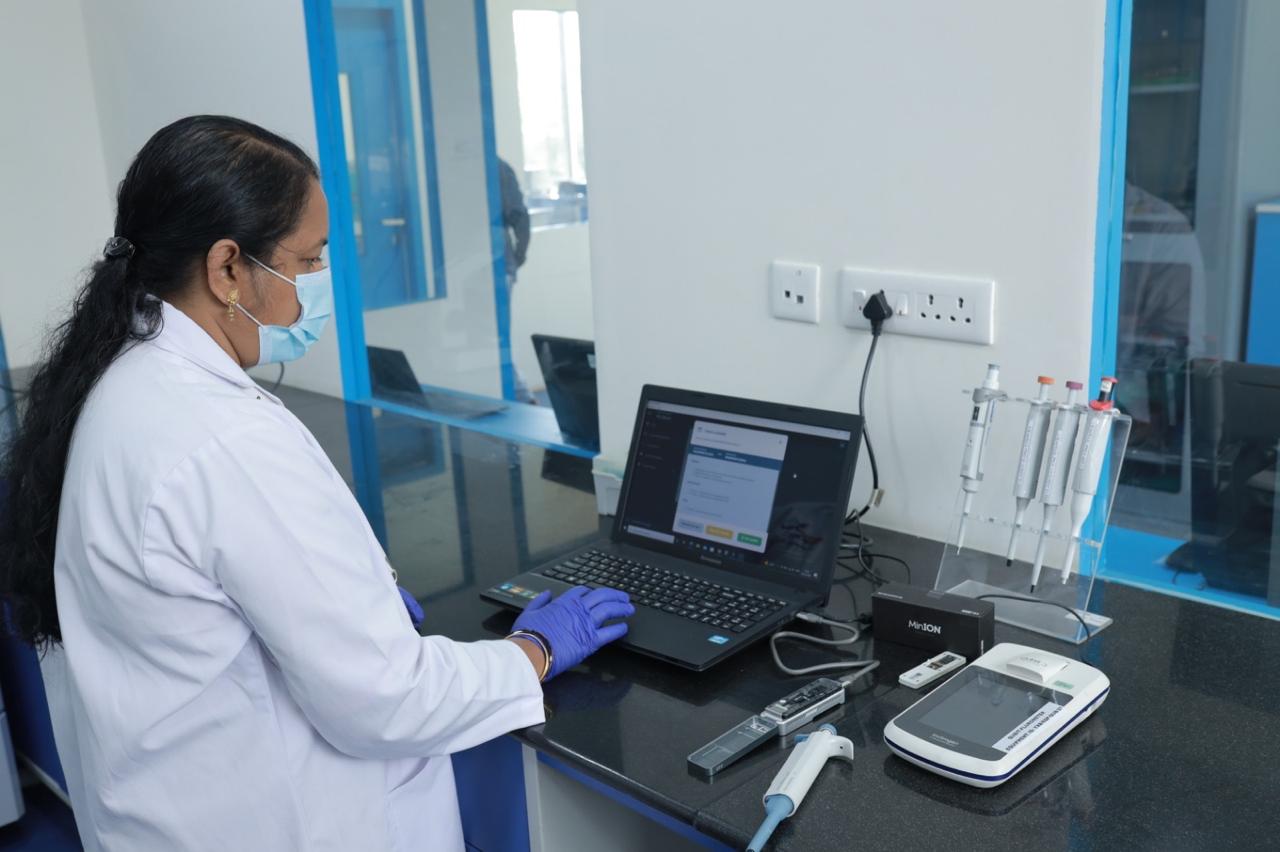
Study Microbial Communities With Yaazh Xenomics
Monitor microbial changes from an entire array of samples taken from diverse environments with our T-RFLP services.
Applications Of T-RFLP
We deploy the T-RFLP technique for research that analyses the marked differences in the microbial community and monitors community dynamics in response to variations in different environmental parameters.
Phylogenetic Group Analysis
T-RFLP finds its application in the phylogenetic group analysis of bacteria, fungi, and archaea, or sub-groups based on functional genes.
Study Of Microbial Communities
One of its main applications is studying complex microbial communities in the soil, activated sludge systems, marine ecosystems, and acid mine drainage systems.
Dental Studies
It helps to characterise and differentiate the status of oral bacterial flora in healthy patients instead of those with periodontitis.